Research

Research Axis 1
Robotics
- Wearable Robots
- AI Surgical Robotics
- Industrial Robotics & AI
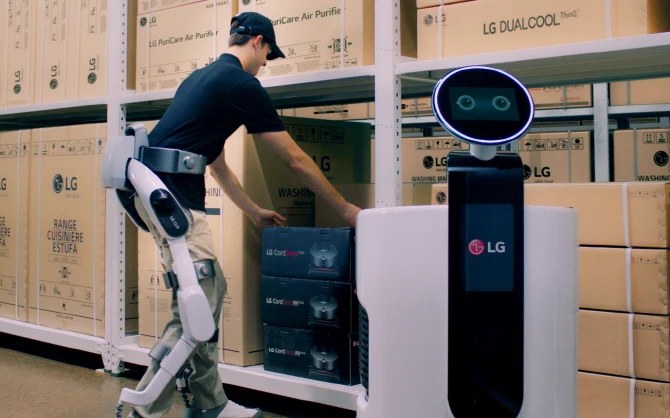
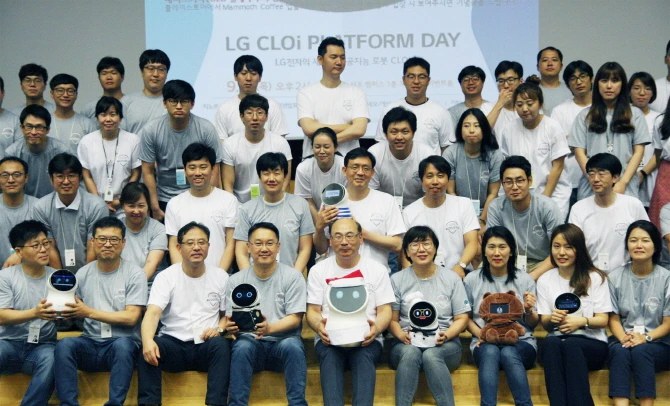
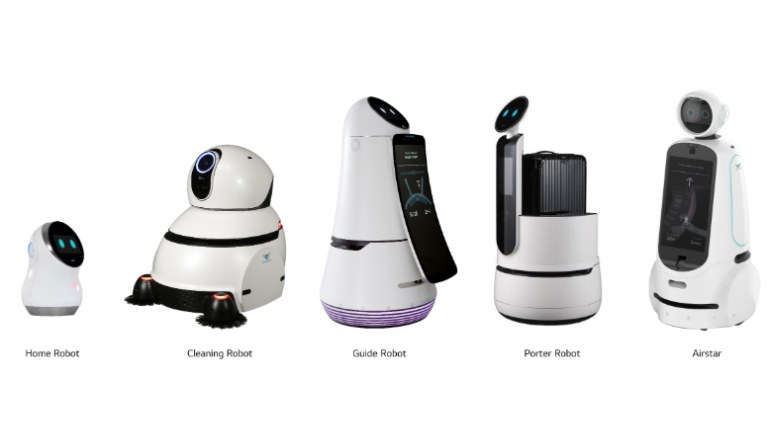
RPLab studies Physical AI, the work of making robots perceive, decide and move on their own in the real world. We treat a robot’s structure and motion, the way it is controlled, and the AI that makes its decisions as one system rather than separate parts.
For robots to work alongside people, safe and natural interaction matters as much as precise motion. We study how to design and control robots that move and collaborate with people.
Our research starts from real problems in healthcare, industry and everyday life. To make lab results usable in practice, we stay involved from defining the problem through validation in the field.
Research Axis 2
Sensors
- Radar Sensing
- Signal Processing
- Human Position & Posture Tracking
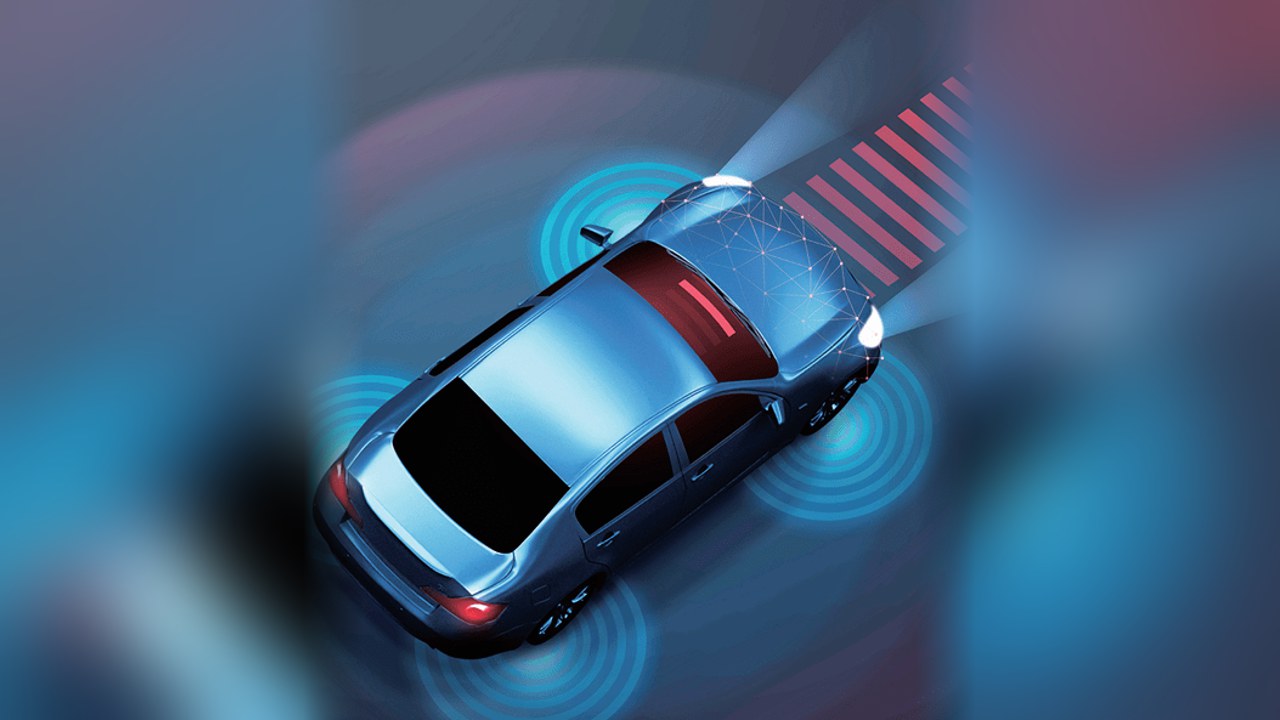
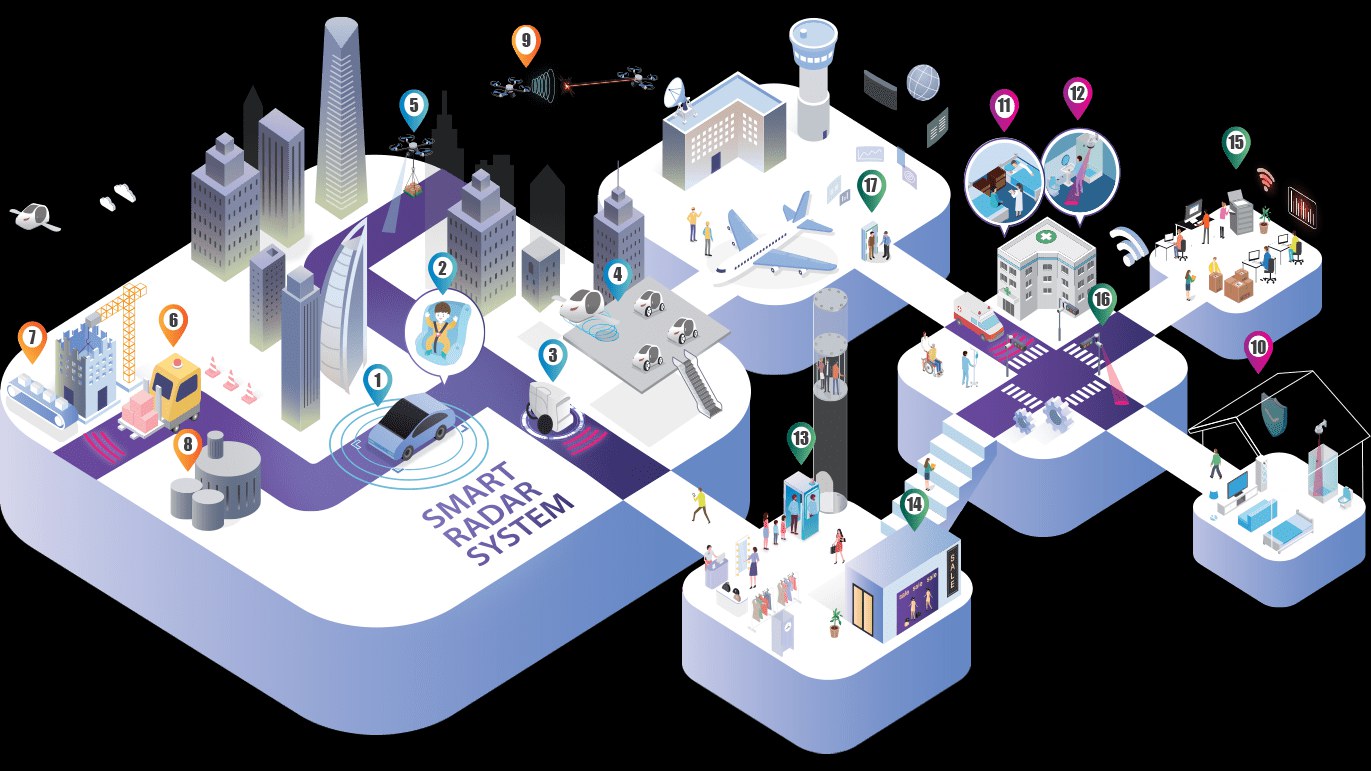
Sensors are where perception begins for robots and systems. We measure physical change through a range of sensors and develop signal processing methods that extract meaningful information from noise.
By combining signals so that different sensors make up for each other’s limits, we work toward a more accurate picture of where people and objects are, how they move, and what is happening around them
Research Axis 3
Integrated Design
- Capstone Design
- Prototyping
- System Integration
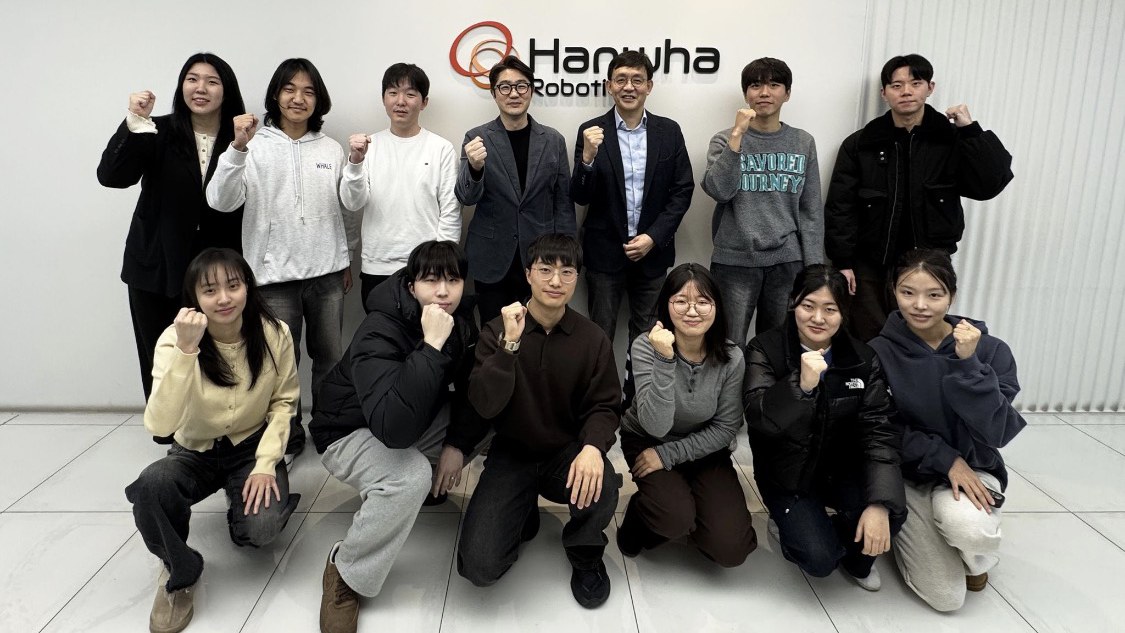
Strong individual components do not guarantee a system that works as a whole. We study how to co-design and integrate robots, sensors and software, and validate prototypes in real environments to feed results back into the design.
This work connects with Capstone Design. Undergraduates help define the lab’s problems and build systems with us, and their results have led to outcomes such as competition awards.